acetic acid
US /əˈsitɪk ˈæsɪd/
・UK /əˌsi:tɪk ˈæsɪd/
B2
n. (u.)Uncountable NounA colorless liquid organic acid with a pungent odor, the acid present in vinegar.
Vinegar contains about 5% acetic acid.
Video subtitles
5 of the World's Most Dangerous Chemicals

- A weak acid -- acetic acid, for example, which is just the undiluted form of vinegar -- will drag its feet about, protonating other molecules.
A weak acid -- acetic acid, for example, which is just the undiluted form of vinegar -- will drag its feet about, protonating other molecules.
- A weak acid, acetic acid for example
A weak acid, acetic acid for example
8 Apple Cider Vinegar Mistakes That Are RUINING Your Results! Dr. Mandell
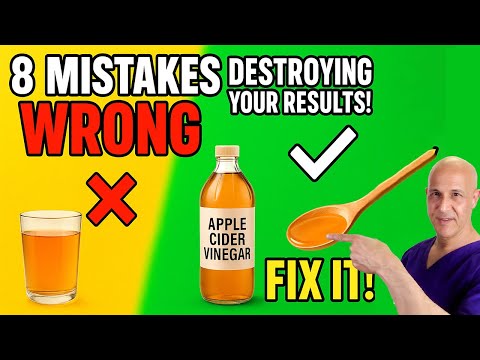
- And apple cider vinegar has acetic acid.
And apple cider vinegar has acetic acid.
- And apple cider vinegar has acetic acid, and it has a pH of 2 to 3.
And apple cider vinegar has acetic acid, and it has a pH of 2 to 3.
10 Dangerous Fashion Trends

- The pigment was made by mixing metallic lead with acetic acid, also known as vinegar, in the presence of carbon dioxide to make lead carbonate, a powdery white lead.
The pigment was made by mixing metallic lead with acetic acid, also known as vinegar, in the presence of carbon dioxide to make lead carbonate, a powdery white lead.
- The pigment was made by mixing metallic lead with acetic acid -- also known as vinegar
The pigment was made by mixing metallic lead with acetic acid -- also known as vinegar
Dermatologists Debunk 8 Body-Odor Myths | Debunked | Science Insider

- Alcohol produces acetic acid, which you can also smell.
Alcohol produces acetic acid, which you can also smell.
- Alcohol produces acetic acid, which you can also smell.
Alcohol produces acetic acid, which you can also smell.
The Best MEAL to Clear Out Your Arteries

- Then I would also add apple cider vinegar, but you can also use balsamic vinegar red, but the acetic acid in the vinegar has many properties to help lowering the risk of cardiovascular disease.
Then I would also add apple cider vinegar, but you can also use balsamic vinegar red, but the acetic acid in the vinegar has many properties to help lowering the risk of cardiovascular disease.
- but the acetic acid in the vinegar has many properties to help lowering the risk of cardiovascular disease.
but the acetic acid in the vinegar has many properties to help lowering the risk of cardiovascular disease.
控糖女神一天飲食菜單!親授血糖平衡秘訣:避開偽健康陷阱、正確進食順序:千萬別空腹吃糖、飯前一匙醋、飯後快走|24 Hours With|Vogue Taiwan

- Vinegar, and it can be any type of vinegar, contains a molecule called acetic acid.
Vinegar, and it can be any type of vinegar, contains a molecule called acetic acid.
- And acetic acid reduces the glucose spike of carbs that you eat afterwards.
And acetic acid reduces the glucose spike of carbs that you eat afterwards.
What Apple Cider Vinegar Really Does To Your Body

- Yeast turns the sugars in apple juice into alcohol, and bacteria then turns that alcohol into acetic acid, the chemical linked to most of cider vinegar's alleged benefits.
Yeast turns the sugars in apple juice into alcohol, and bacteria then turns that alcohol into acetic acid, the chemical linked to most of cider vinegar's alleged benefits.
- In fact, acetic acid is in all types of vinegar, from white wine to balsamic.
In fact, acetic acid is in all types of vinegar, from white wine to balsamic.
How It's Made: Chocolate
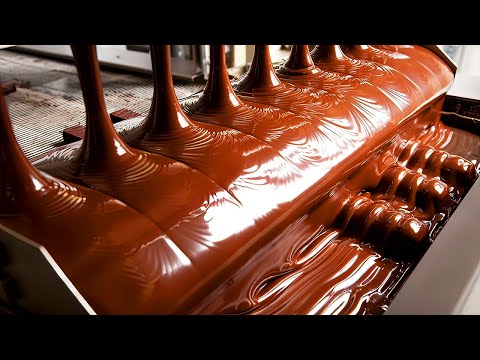
- After that, the beans are stirred, which results in acetic acid fermentation.
After that, the beans are stirred, which results in acetic acid fermentation.
- After that, the beans are stirred, which results in acetic acid fermentation.
After that, the beans are stirred, which results in acetic acid fermentation.
Can You Melt Wood?

- So when you heat up wood, giant molecules like lignin and cellulose start to break into smaller molecules, including water, carbon dioxide, formic acid, acetic acid, methane, methanol, hydrogen gas, and several others.
So when you heat up wood, giant molecules like lignin and cellulose start to break into smaller molecules, including water, carbon dioxide, formic acid, acetic acid, methane, methanol, hydrogen gas, and several others.
Your Next Burger Could Be Made With Microbes

- more; and acetic acid fermentation, which makes things like vinegars and kombucha.
more; and acetic acid fermentation, which makes things like vinegars and kombucha.
- more; and acetic acid fermentation, which makes things like vinegars and kombucha.
more; and acetic acid fermentation, which makes things like vinegars and kombucha.